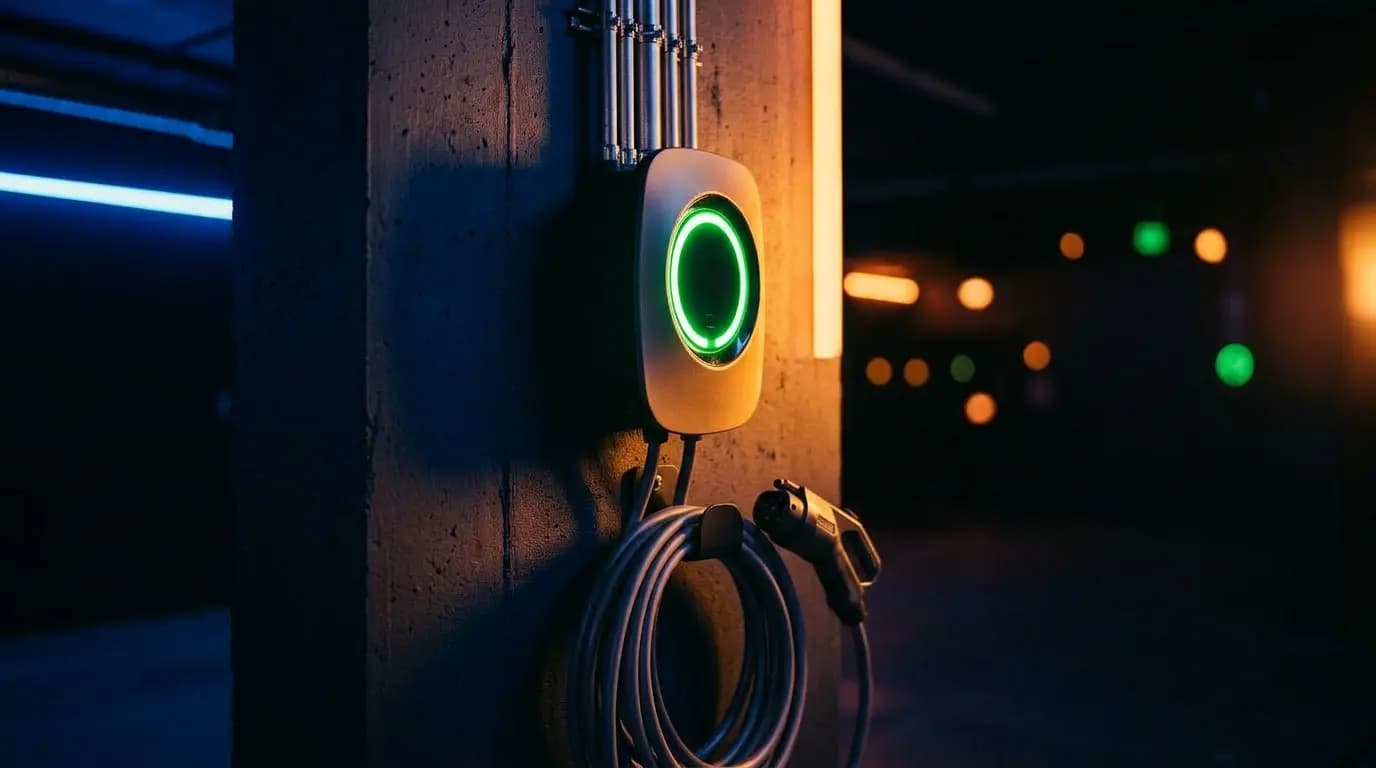
EV Charger Installation in Seattle
Level 2 home EV charger installation — all major brands, permitted, inspected, and guaranteed.
All Major EV Brands. Permitted. Inspected. Guaranteed.
Washington State ranks among the highest in the country for EV adoption — and Greater Seattle leads the state. LLUMINET has installed Level 2 chargers for Tesla, Rivian, Ford, Chevy, BMW, Hyundai, Kia, Lucid, Polestar, and every other major brand. We evaluate your electrical panel capacity before quoting — if an upgrade is needed, we tell you upfront and handle both in one project, one permit, one inspection. Every installation includes permit pulling with SDCI and coordination of final inspection. Skipping the permit voids your homeowner's insurance for charger-related incidents. Ask us about Puget Sound Energy (PSE) rebates for qualifying smart charger installations.
FAQ
Answers To The Frequently Asked Questions.
Level 1 uses a standard 120V outlet and adds approximately 3–5 miles of range per hour. Level 2 uses a 240V circuit and adds 15–30 miles per hour. For daily drivers, Level 2 is strongly recommended.
Many homes can support a 40–48A Level 2 charger without a panel upgrade. We assess panel capacity during our initial site visit — it depends on your current panel size and existing load.
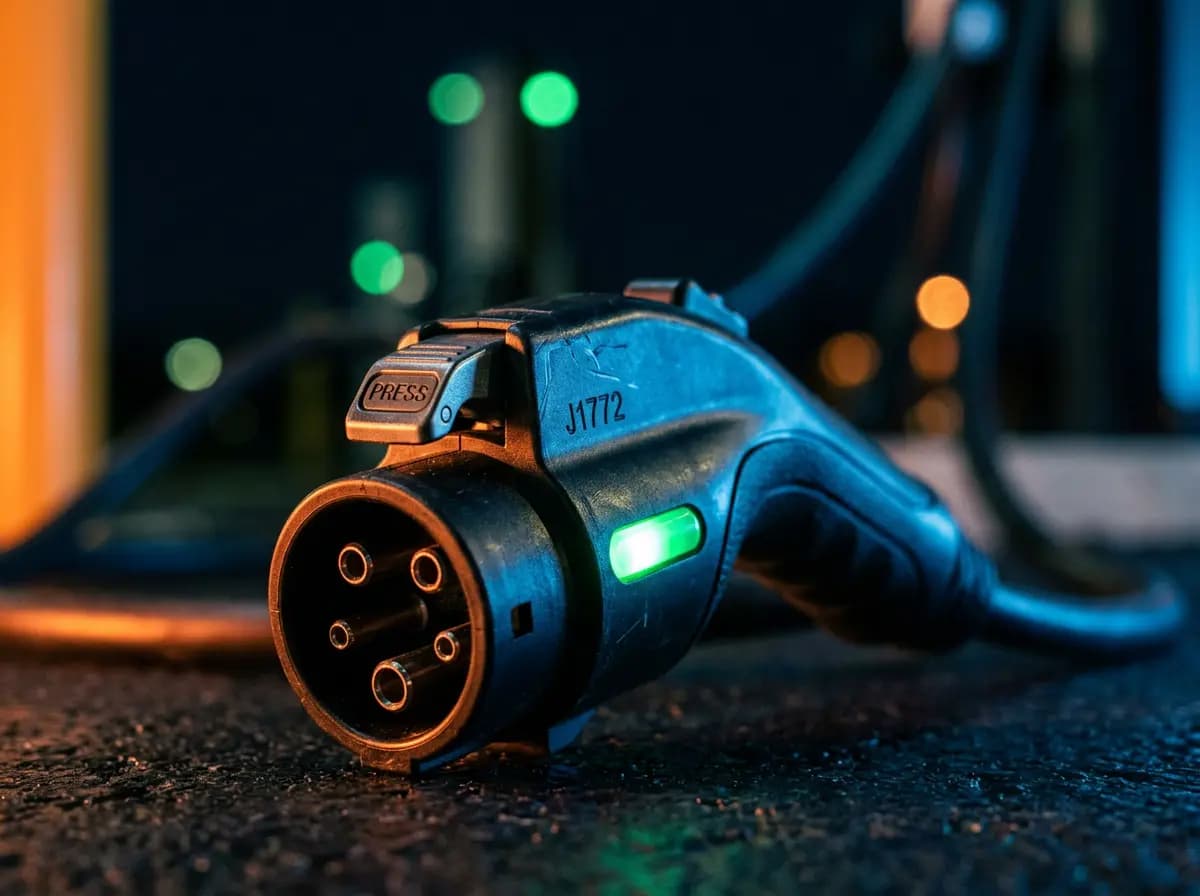
Tesla vehicles now include a J1772 adapter, making them compatible with standard Level 2 chargers. Tesla's own Wall Connector is also J1772 compatible. We install all types.
A smart charger connects to WiFi and allows you to set charging schedules (charge only during off-peak utility rate hours), monitor energy usage, and receive notifications via app.
A panel capacity check, the dedicated 240V circuit and breaker, mounting and connecting the charger, the permit, and coordination of the final inspection. For smart chargers, we connect it to your Wi-Fi and help you set up the app and a charging schedule.
We look at your panel, where you park, and the path from the panel to the charger location. If the panel can handle the load, you get a written estimate for the circuit and install. If it can't, we tell you upfront and quote the upgrade alongside it, so it's one project, one permit and one inspection. Most of install day is running the circuit; the inspection follows.
The distance from the panel to where you park, whether the wire can run through an unfinished garage or has to go through finished walls or along the outside of the house, the charger's amperage, and whether the panel needs an upgrade. A charger on the garage wall near the panel is the simplest case.
Close to where the car's charge port ends up when you park, and ideally close to the panel, since a shorter circuit is simpler. Outdoor installs need a charger rated for outdoor use. If a second EV is likely, plan the location and circuit with that in mind now.
Both work. A hardwired charger connects directly to the circuit; a plug-in unit uses a 240V outlet. Hardwiring avoids wear on an outlet from repeated plugging and is often what manufacturers recommend for higher-amperage chargers. We'll recommend based on your charger and location.
Ready to Get Started with EV Charger Installation?
Contact us today for a free estimate on your project.